
A Canvas for Recovery
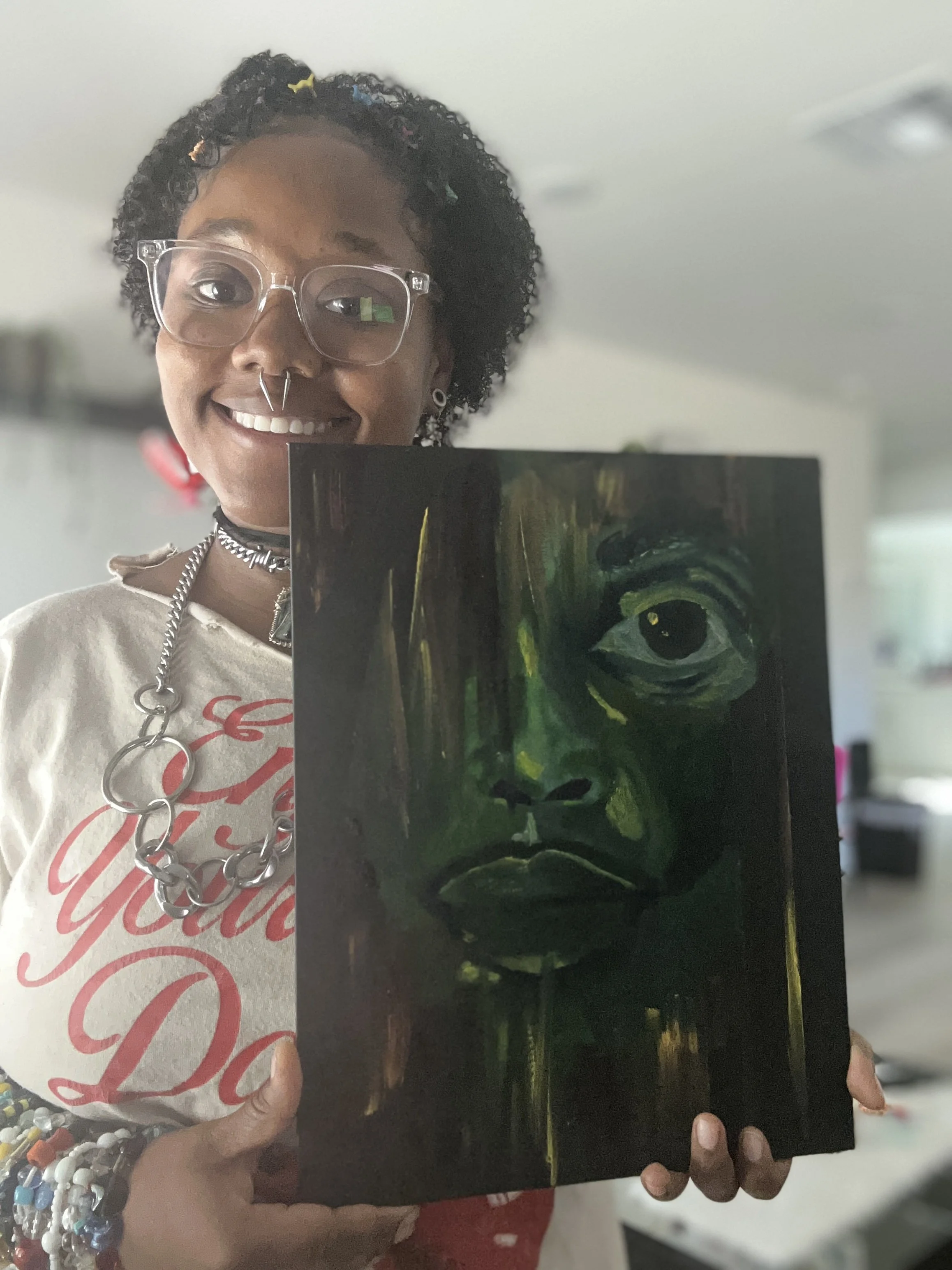
Meet Jess, PRPSN Volunteer Facilitator
She has transformed her own recovery journey into a welcoming space where others can heal, connect, and express themselves freely. Read her story below.
Before becoming one of PRPSN’s dedicated volunteer facilitators, Jess experienced many of the same challenges peers navigate every day. Growing up in foster care, moving through psychiatric hospitals and group homes, and living with mental health challenges, she often internalized the message that she would never be capable of living beyond her diagnosis.
But through creativity and peer support, Jess began rewriting that narrative — and now helps others do the same.
Today, Jess facilitates two art-centered support groups at PRPSN, creating spaces rooted in creativity and self-expression.
“My goal is safety, inclusion, and fun,” Jess shared. “I want my space to feel fun and chill with no pressure.”
Jess’ journey into peer support began long before she started facilitating groups. After transitioning into independent housing, she connected with Mental Health America of Los Angeles, where she volunteered in support groups while attending school. It was there that she discovered the power of shared experience.
“I learned a lot about mental wellness through people’s testimonies and resilience,” she explained.
During that time, Jess met Ben Martin, PRPSN’s Program Director of Support Groups, who was also attending groups while working on his own wellness journey. Years later, after the onset of COVID-19, Ben reconnected with Jess and encouraged her to begin facilitating groups with PRPSN. At first, she declined.
“A lot of the challenges I experienced were rooted in self-doubt,” Jess said. “I was told from a young age that I couldn’t do certain things because of my diagnosis.”
With support and encouragement, Jess eventually took the leap. What began as uncertainty transformed into a sense of purpose through helping others. Jess has now built welcoming online communities where members are encouraged to express themselves freely — through reflective prompts, doodles, storytelling, or simply showing up and listening. Some prompts ask participants to imagine peaceful places. Others encourage reflection on resilience or hope. The conversations that emerge often become moments of healing.
“Some people say, ‘I haven’t drawn in so many years,’ and now they’ve doodled again and it helped them,” Jess shared. “It’s kind of like a family. Everybody supports everybody.”
In Jess’ eyes, peer support succeeds because of the trust and connection that lived experience creates. By removing pressure to “perform” artistically, she helps participants reconnect with creativity in accessible and meaningful ways.
“I think people connect more when there’s things like, ‘Hey, I’ve been through this too,’” she explained. “It helps build trust and understanding.”
Jess also openly shares her own challenges during group check-ins, including moments of anxiety or difficult mental health days. In return, members often respond with support and validation.
“It’s mutual,” she said. “You can feel the support and the love and the care, and it’s genuine.”
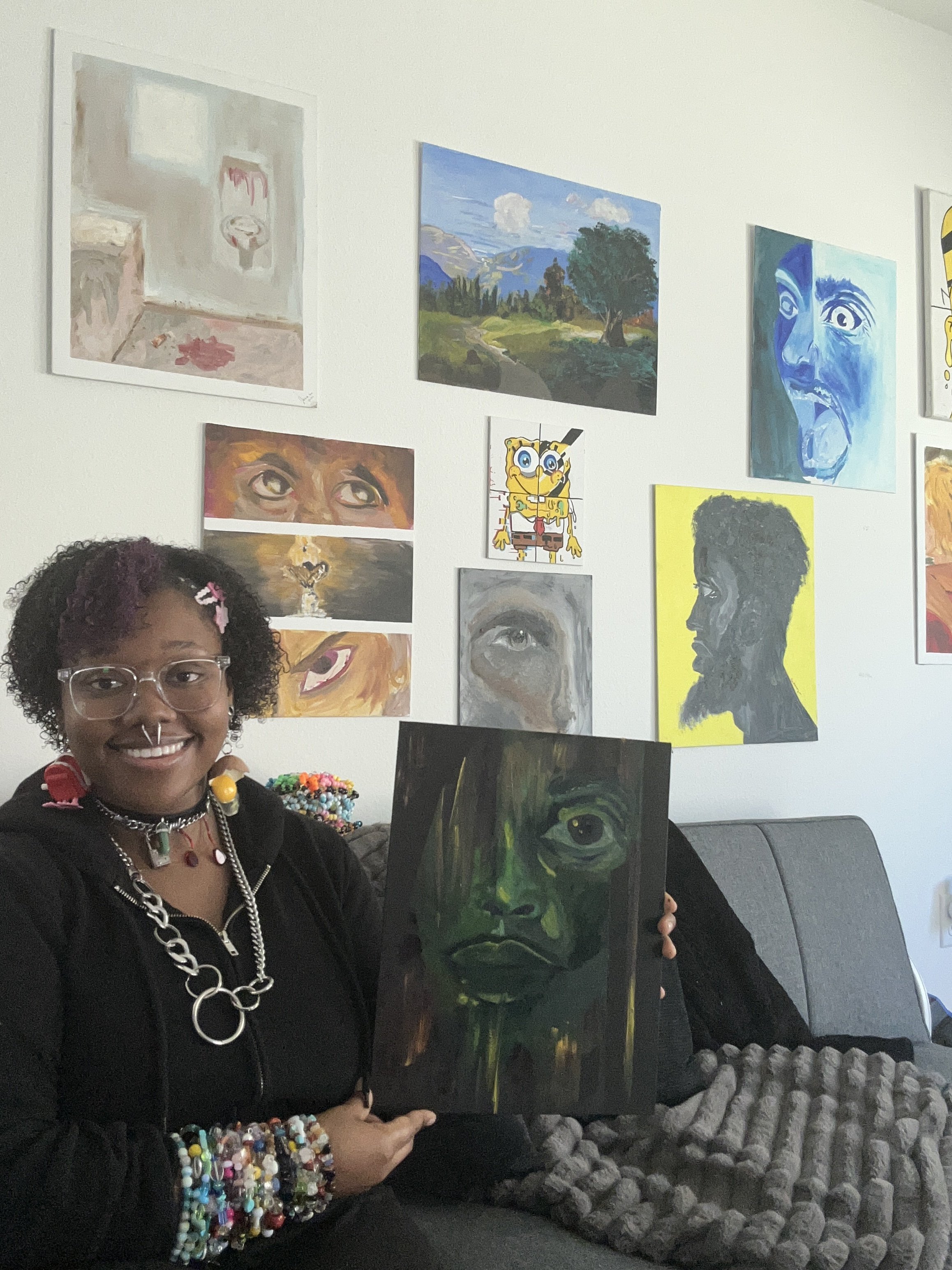
Art itself has become an essential part of Jess’ own healing journey. Much of her artwork reflects her experiences living with schizoaffective disorder and hearing voices. Rather than hiding those experiences, she uses art to reclaim power over them.
Make it stand out
Through art, jess has found a way to express experiences that are often difficult to put into words. Rather than hiding her mental health challenges, Jess uses art to reclaim her story; encouraging others to discover that there is no "right" way to create but there is always a way to heal.
“I started wondering, if the voices were a person, what would they look like?” Jess shared. “Being able to put my mental health on canvas and give it a face gives me power back.”
She describes art as something that has literally saved her life.
At the heart of Jess’ story is a reminder that healing often begins with being seen and understood. Through both attending and facilitating groups, she has witnessed how small acts of compassion can create ripple effects throughout a community.
“You don’t have to have a degree to help somebody,” Jess said. “Sometimes just a smile, a hi, or acknowledging another person can make a huge impact.”
For many people like Jess, art is proof that recovery is not always linear or spoken aloud. Sometimes recovery looks like a sketch on paper — or the courage it takes to create something honest.
If you are interested in attending Jess’ groups, you can visit https://heypeers.com/meetings/58208/details